Birds Learning Network
On Saturday, October 3, 2026, parents, educators, elders and community members gathered at the Ontario Institute for Studies in Education (OISE), University of Toronto, for Uncaged Voices, Birds Learning Network's first annual conference for parents of Black youth.
Dr. George J. Sefa Dei opened the day with a keynote that moved through Black identity, ancestral knowledges, coming to voice, and the futures we must imagine for our children.
Many pieces of his talk stayed with me. One reached me more critically than the rest: working with relationalities. I have been sitting with what this means in schooling and in community, and with how it reframes the work so many of us are already doing.

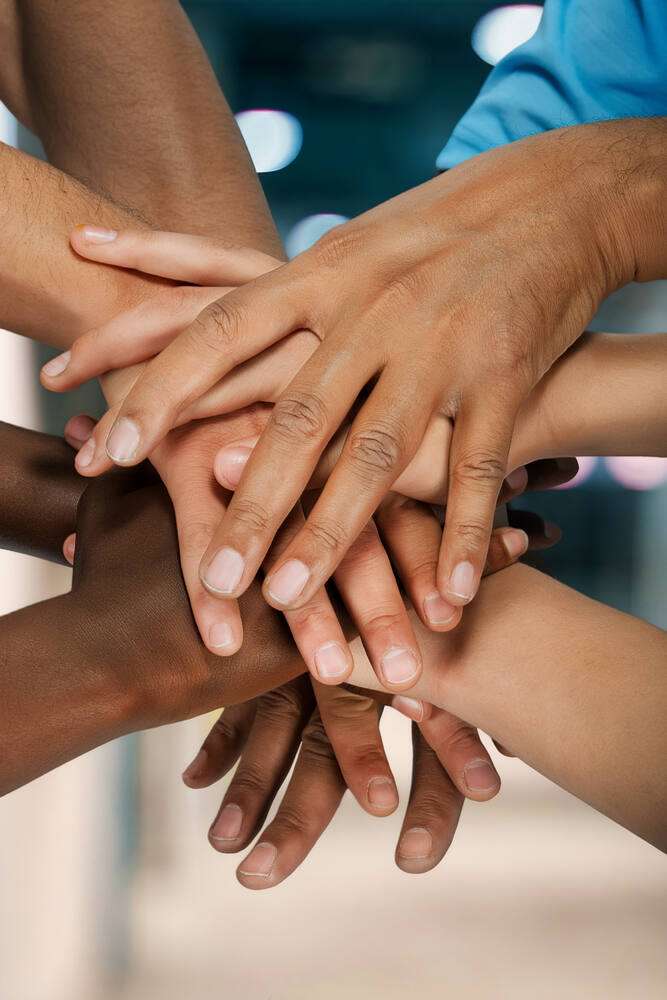
We are connected.
The point that stayed with me
From one room to a way of being
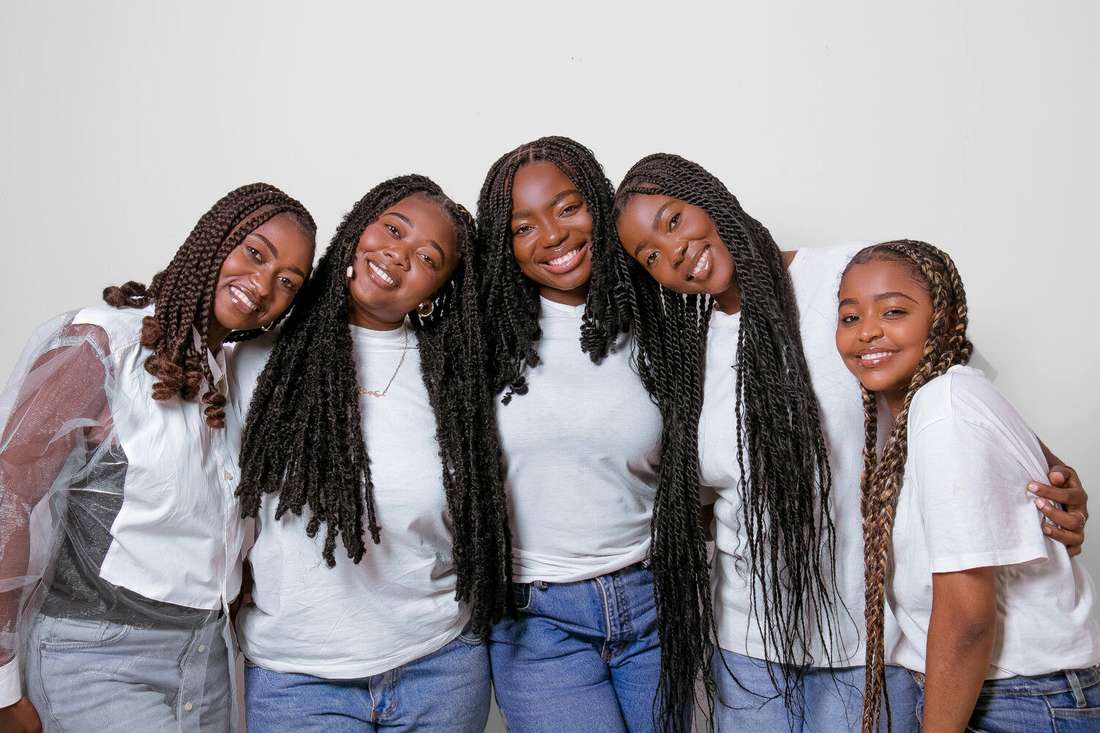
What did it mean to be in that room together? It begins with relationality.
How do we move into community?
Dr. Dei posed a question I have not been able to set down. His answer was not a slogan. It was a set of obligations. We make ourselves relevant by connecting the issues that affect our communities, and we hold ourselves to responsibility, accountability and relationality as we do it.
Relationality, as I heard it, is more than being kind to one another or showing up to the same events. Dr. Dei named three dimensions we must tap. Choose one to explore it.

Connected by systems
We are connected by the systems that shape our children's lives: in schools, in policing, in the labour market. A barrier one family meets is rarely theirs alone.
Reflect: Which system shapes your child's days most, and who else is facing it with you?
Connected by ways of knowing
We are connected by ways of knowing that our ancestors held and that institutions have too often dismissed. Our knowledges count, and making them count is our work.
Reflect: What does your family know that school has never asked about?
Connected by struggle
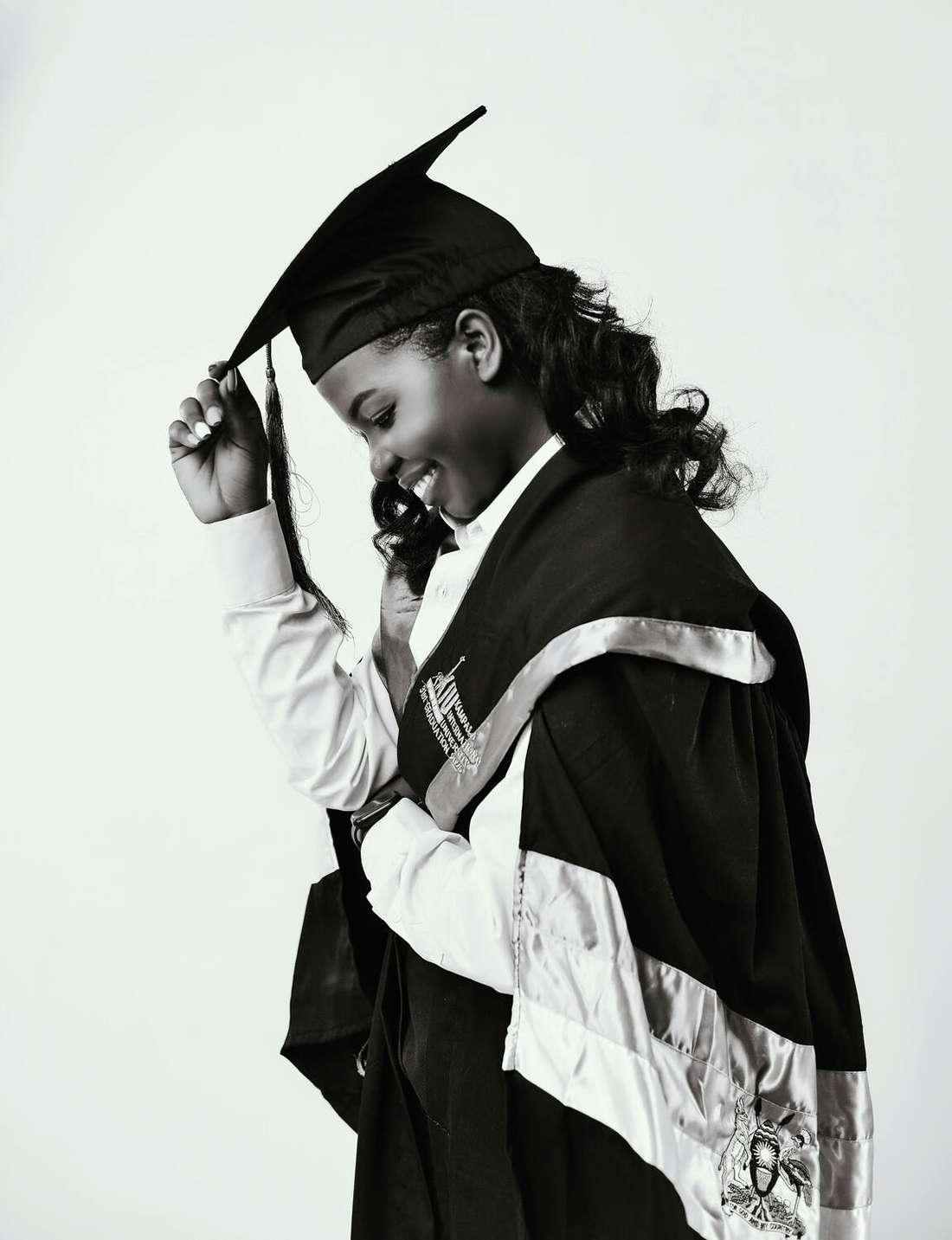
We are connected historically by struggle. We are here because of what our people did, not only because of our own hard work.
Reflect: Whose struggle made your place in this country, or this classroom, possible?
To work with relationalities, then, is to refuse the idea that any of us rises alone. A Black child's experience in one classroom is tied to a parent's experience in a principal's office, to an elder's memory of a school that failed them, and to an ancestor's refusal to be erased.
Dr. Dei also tied relationality to consciousness. He called for a Blackness that does not desire whiteness, and he urged us to dismantle a way of seeing ourselves that is grounded in the white gaze. Blackness and Africanness are connected.
Black identity did not begin in 1492.
Dr. George J. Sefa Dei, paraphrased
When we affirm precolonial African history, we place ourselves in relationship with a much longer story, and we stop measuring ourselves against a standard that was never ours.
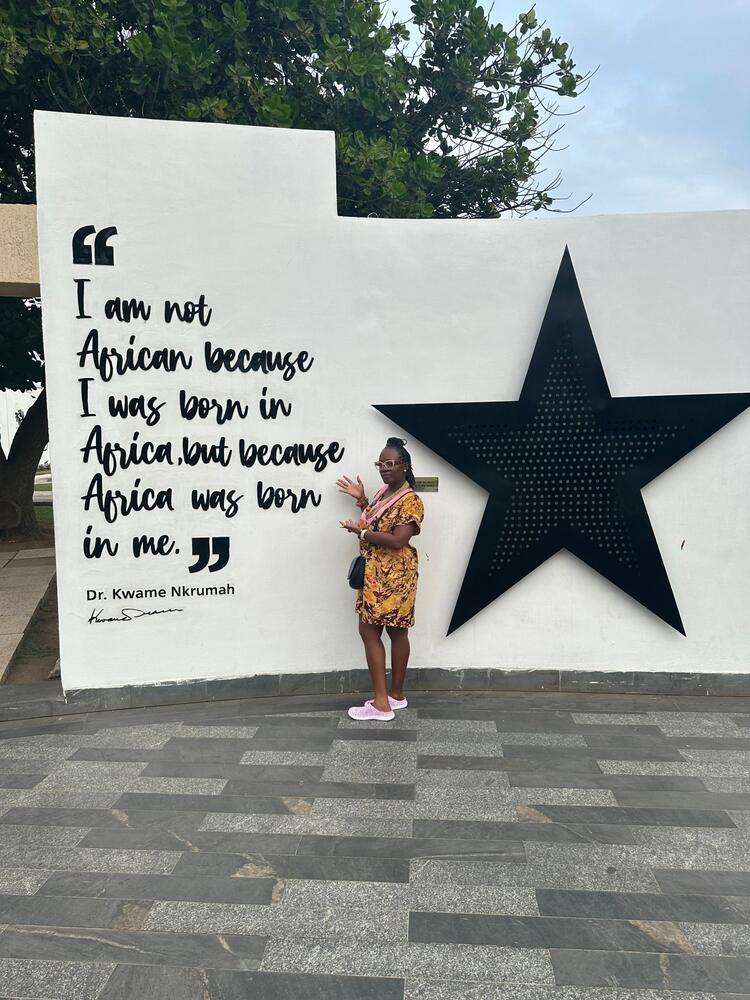
I stood at this wall in Ghana before Uncaged Voices. Listening to Dr. Dei, I was carried back to this moment: Blackness and Africanness are connected, and that connection lives in us wherever we are born.
From ideas to my own story
Relationality became personal for me long before Uncaged Voices.
Not a solo venture of brilliance
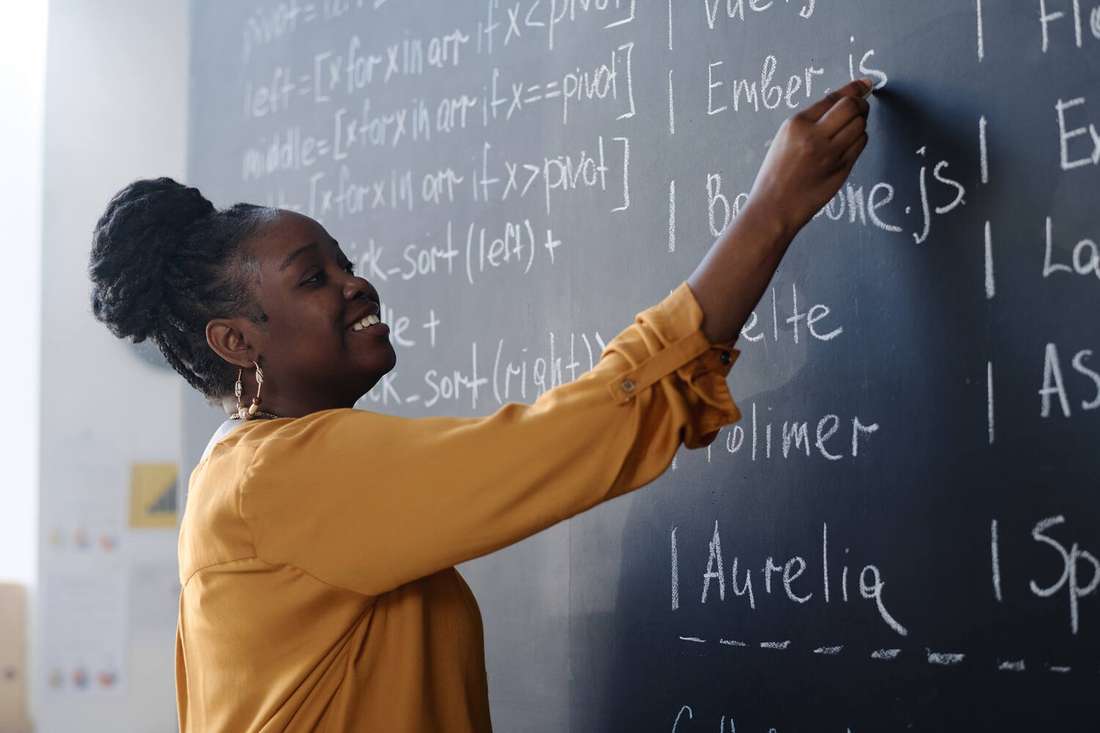
In my early years as an education practitioner, I had a passion for seeing all students succeed. Black students were my focus, because of my history and because I wanted to stay true and authentic to it. Yet I did not see myself as having the tools to be effective. I thought I understood the struggles of Black youth, but I was only just coming into my voice as a Black educator.
Dr. Dei reminded us that we do not need anyone's permission. Looking back, I can see that the need to carry out the fight and to push back was there long before I felt ready. Not pushing back would have been a betrayal of my ancestors. I knew someone had paved the way, and I had a duty to care for and nurture Black futures.
This is where relationality became personal for me. I can now see how far I have grown, and the processes of that growth. I could not have done it alone. I was privileged to share in the labour of those who paved the way: the teachers, elders, mentors and community members whose work made mine possible.
The power to curate this space was voiced long before the idea for it began.
Even Uncaged Voices is not mine alone. It is a continuation of what already existed. My contribution is to honour those voices.
From one voice to a village
No space of belonging is built alone. Here is the village behind this one.
Community in action
Uncaged Voices happened because a community decided it should. A village gathered to build this day: our planning committee, our volunteers, our panellists, our supporters, and Dr. Dei himself, who gave his wisdom so generously. Each gave their time, their gifts and their care, shaping the program, reaching out to families, welcoming speakers, setting up the room and making sure every parent who walked through the door felt seen.
To me, their work is relationality made visible. It is a living example of what Dr. Dei asked of us: to move into community, take responsibility for one another, and build the futures we need with our own hands.
It also speaks to the cosmologies of being that our ancestors carried, ways of understanding ourselves not as isolated individuals but as part of a web that holds the living, the ancestors and those not yet born. And it reflects an axiology of strength: a set of values in which strength is measured not by what one person achieves alone, but by what we lift together.
When a community plans together, it rehearses the future it wants to live in.
- Planning committeeDenise Edwards · Trecia Knight · Jadelle Richards
- KeynoteDr. George J. Sefa Dei
- PanellistsMark Dennis · Bert Codrington · Dr. Cindy Sinclair · Denise (Akosua) P. Edwards · Emily Morgan · Jadelle Richards (Ms. Poshly) · Shenika Bowen · Dr. John P. Castillo · Amani Ausar · Andrea Vásquez Jiménez · Yvonne Rhoden · Verne Hippolyte-Smith · Kamelah Blair Sanderson
- PresentersTrecia Knight · Dr. Darren McAlmont · Antonide Mars-Ligondé-Essono and six student leaders
- ModeratorsAnnalissa Crisostomo · Claudette Howell Rutherford · Dr. John P. Castillo
- PerformersStacey Holder · Shelby Lyte
- Volunteerswho welcomed, served and held the room
- SponsorKnight Aegis Consulting Inc.Founded by Trecia Knight, a technology, cybersecurity and AI governance leader with more than 15 years of experience. Knight Aegis helps organizations adopt AI securely and ethically, with services in cybersecurity and AI adoption, AI governance and ethics, and cybersecurity program strategy. Trecia believes families and young people deserve to understand how technology shapes learning, identity and opportunity, and to take part in shaping its future.
- Vendors & supportersNile Valley Books · Sephira Paints · J’aah Meds Castor Oil · Junie’s Natural Juice · CIARS 2025 Summer Institute · Social Justice Education, University of TorontoFor more details about our vendors, contact us at info@birdslearningnetwork.com.
From the living to the ancestors
The village reaches further back than the people in the room.
Go back and fetch it
Relationality does not stop with the living. Dr. Dei spoke of learning at the feet of elders, and of the tools our ancestors left for us that we can go back and fetch. Our cultural libraries, the knowledges of our ancestors, are rich sources. Engaging them is a necessary part of our own decolonization.
He described the power of restorying our lives and making our knowledges count, and he was clear that nobody will do this for us. Restorying brings healing. It also returns sanctity to our work. When we value what our ancestors did and continue it, our activity becomes sacred rather than merely busy.
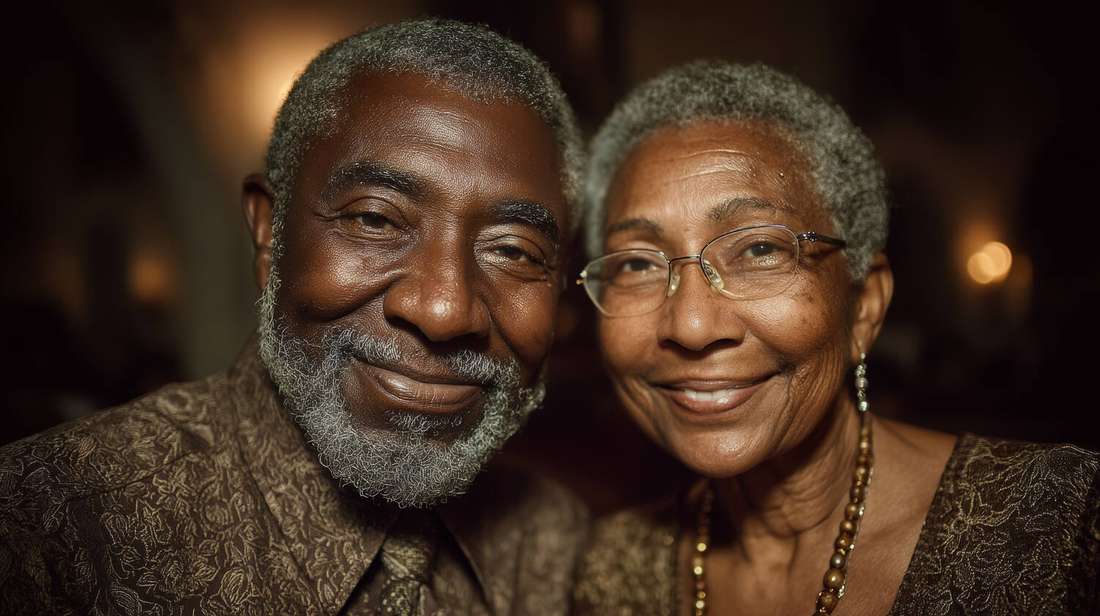
We betray our ancestors when we do not carry on the fight.
Dr. Dei, paraphrased
That is a heavy word, but it is also a gift. It means none of us carries this work without inheritance, and none of us is without people to answer to.
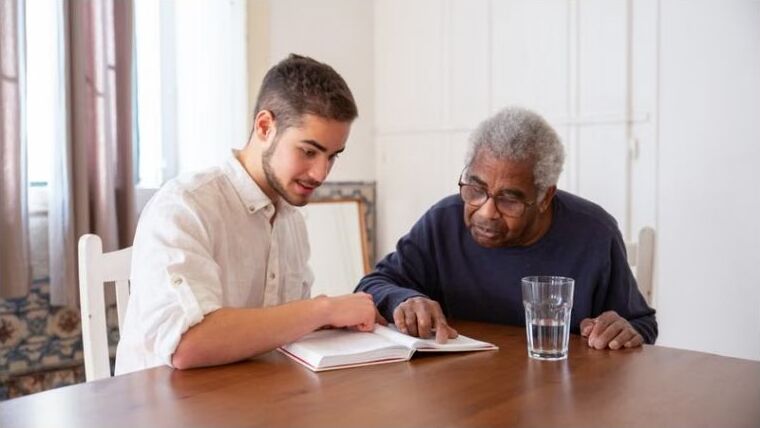
Elders as critical teachers
Dr. Dei named the power of ancestral knowledges through his work on ElderCrits, African Elders' critical teachings. In his recent writing with Paul Banahene Adjei, ElderCrits is described as a body of knowledge that emerges from the accumulated voices, experiences, histories and cultures of Indigenous Elders.
ElderCrits treats Elders as moral educators, knowledge keepers and community leaders, not as guests invited in for a heritage day. Their teachings challenge the colonial assumptions built into schooling. For me, this is relationality made concrete: when we learn at the feet of Elders, we enter a relationship of accountability with those who came before us and those who will come after.
Who is authorized to teach?
ElderCrits asks us to reconsider what counts as knowledge and who gets to teach it. Elders' knowledge, grounded in African Indigenous ways of being and knowing, stands alongside the curriculum as a source of real learning.
For families: invite an Elder to teach your youth one skill, story or practice this month.
Discipline, learning and responsibility, reframed
Elders' teachings recast discipline as guidance toward responsibility to community, rather than punishment and exclusion. This speaks directly to Dr. Dei's call to refuse the ways institutions criminalize Black youth.
For educators: before a disciplinary decision, ask what an Elder would ask: what does this young person need to restore their place in community?
Repair, wholeness and relational accountability
ElderCrits calls for repairing education so that it nurtures wholeness, respect and relational accountability. Learning is measured by who we become to one another, not only by grades.
For youth: ask an Elder what they hope your generation will carry forward, and write it down.
Bringing sanctity to our activity
When we honour Elders' knowledge, our educational work becomes sacred rather than merely busy. This is the healing Dr. Dei spoke of: restorying our lives in relationship with those who held the knowledge before us.
For community: begin your next gathering by naming the Elders and ancestors whose work made it possible.
Looking back to Ghana
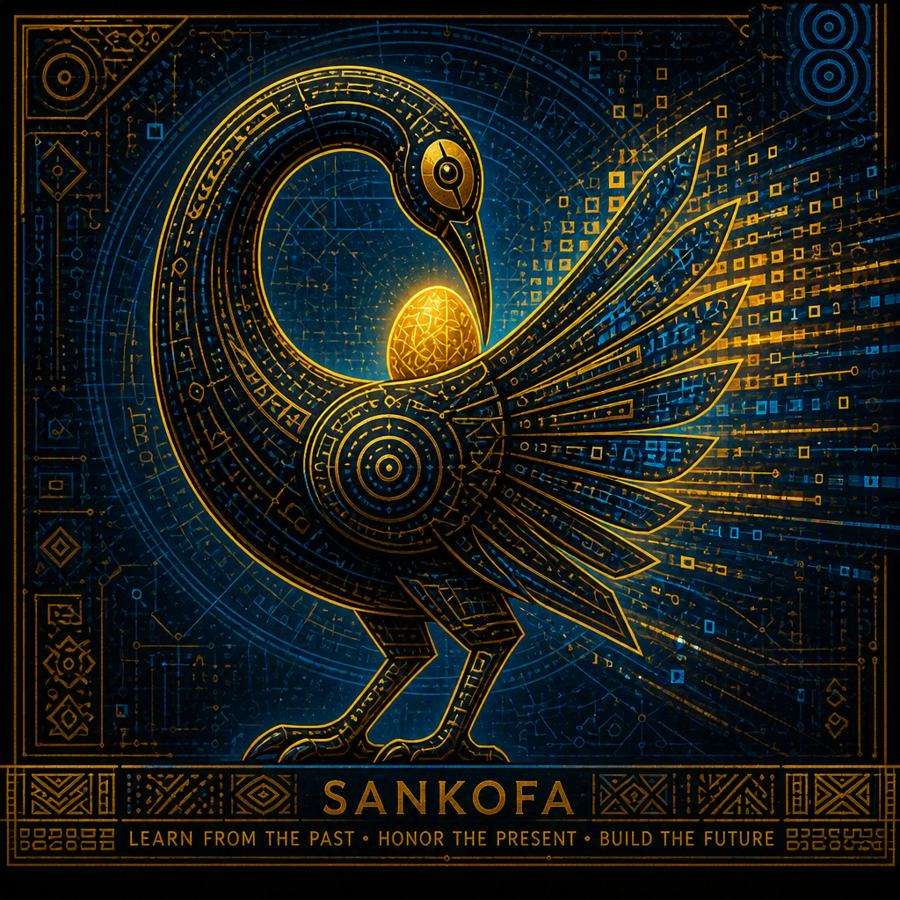
Sankofa asks us to go back. I walked this land before the conference, and Dr. Dei’s words carried me back there.
Going back to fetch it
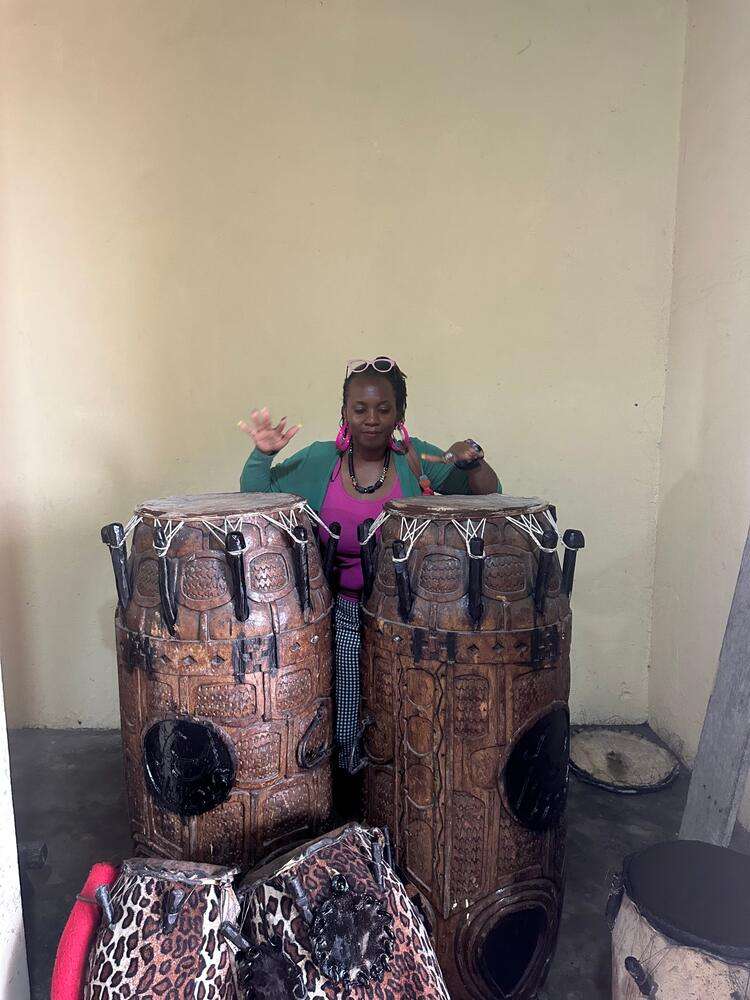
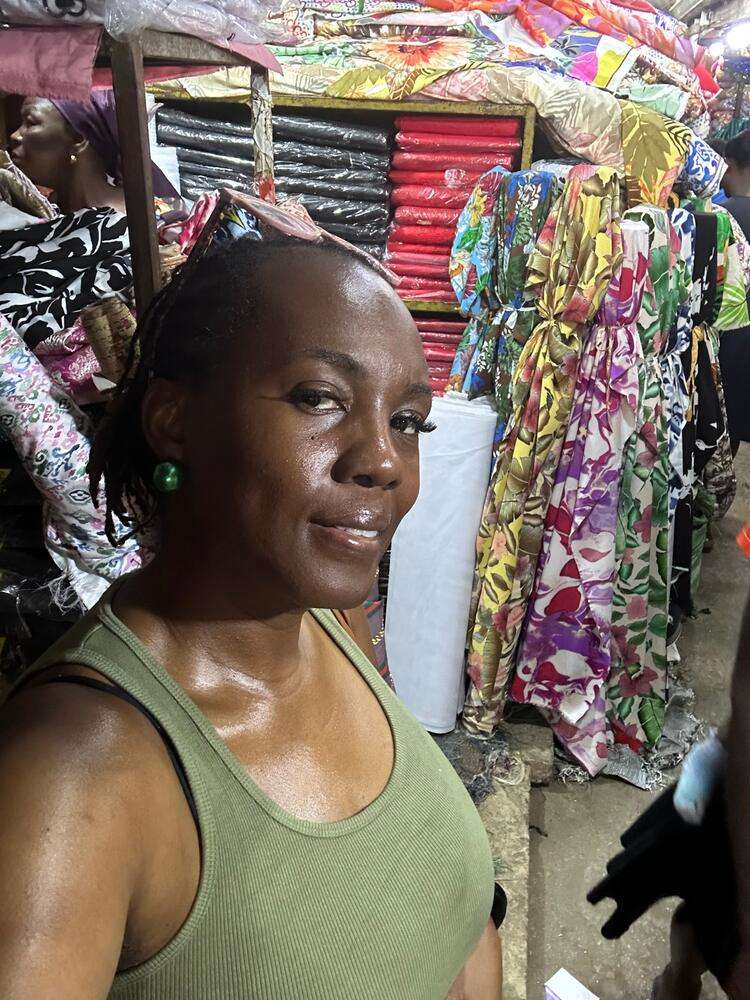
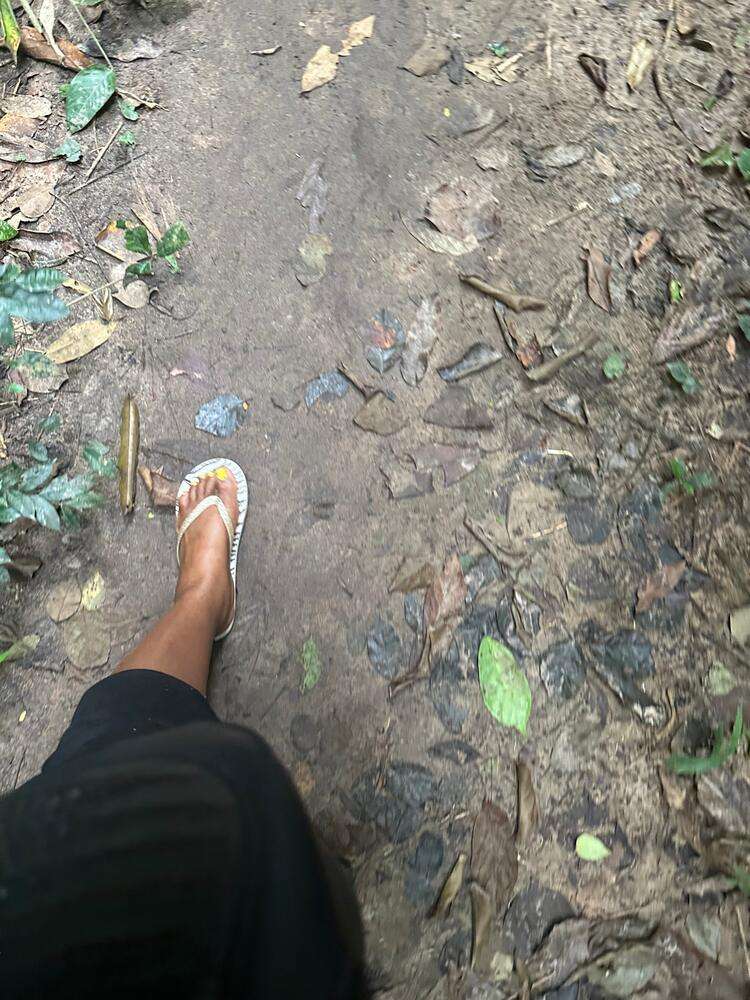
Sankofa became more than an idea for me when I walked the land in Ghana, before Uncaged Voices ever took shape. I touched the drums at the Asokore King’s Palace, in the New Juaben area where Dr. Dei was installed as a traditional chief. I stood among the colours of the fabric market in Asokore, Koforidua. And I walked the forest path to the Big Tree at Aprokumase, Akyem Manso, one step at a time.
Dr. Dei’s keynote brought me back to these places. Each one reminded me that the knowledge I carry did not begin with me. Going back is how we learn to move forward together.
From the land to the classroom
What we carry home shapes how we show up for our children in school.
“Black youth education is a question of history.”
Dr. George J. Sefa Dei
Our children's presence in classrooms is the result of struggle, and their education cannot be separated from the communities and histories they come from.
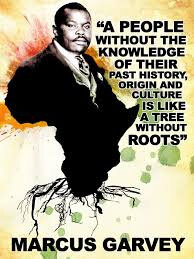
Dr. Dei’s words echo a long tradition: when our children know where they come from, they know they belong in every classroom they enter.
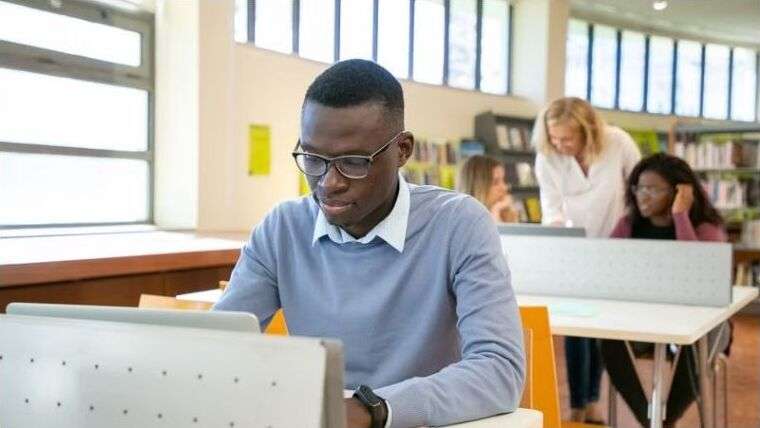
Too often, schools treat a Black student as an individual case: a behaviour issue, a grade, a pathway decision made in isolation. A relational lens refuses that. It asks who is around this child, what histories they carry, and what the institution owes them. Dr. Dei called on us to refuse the ways institutions criminalize Black youth. Relationality gives us the grounds to do so, because a harm to one of our children is a harm to all of us.
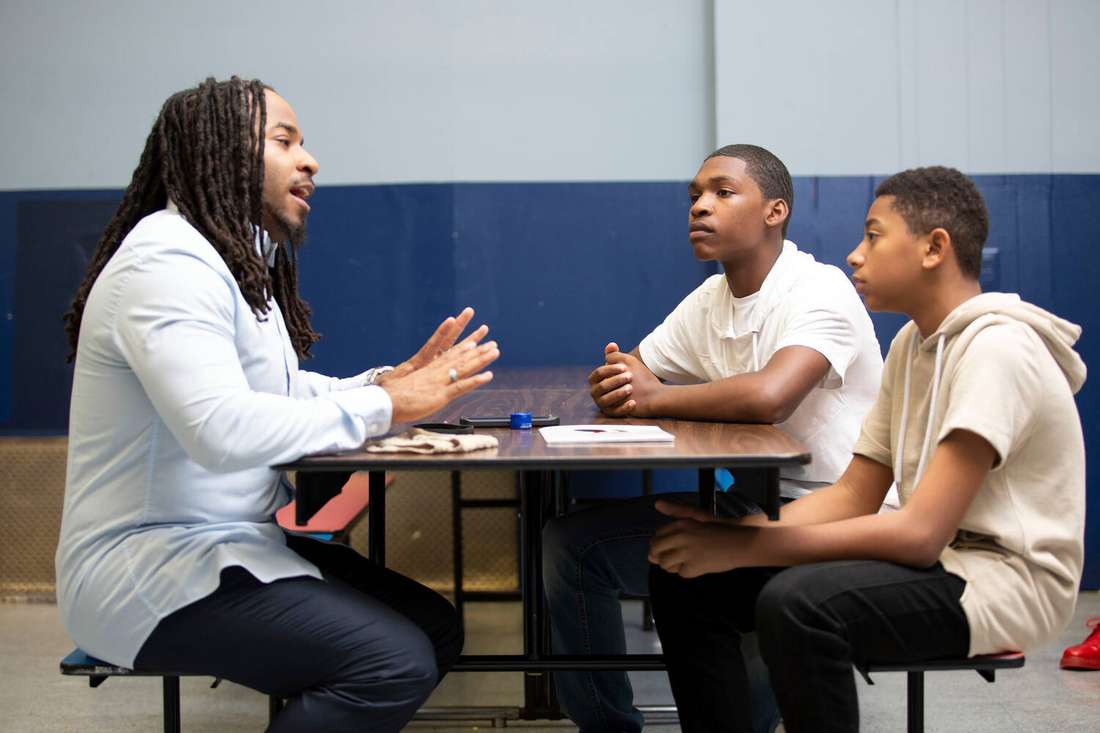
Dr. Dei spoke of the power of vocalizing our politics, and of warriorship. In schooling, I understand this as coming to voice together.
One parent's question can be dismissed. A connected community asking the same question is much harder to ignore.
From today to tomorrow
Knowing where we come from lets us imagine where we are going.
Reclaim, Reflect, Project the Future
The lesson I take from Dr. Dei's keynote is to pay attention to the subtleties of consciousness and to honour the stages of growth, in ourselves and in our children. Decolonization is an ongoing and often painful process. It also means the desire and passion to keep going regardless of the arrows shot in our direction.
Dr. Dei asked us to reimagine our communities as they should be: to create the education futures we want, find our own radical solutions, and use what we know to critique the present and project the future. None of these can be done alone. Try it for yourself below.
What we carry
What we see
What we build
We are connected.
My strongest takeaway from Uncaged Voices is our shared responsibility to help Black youth sharpen their tools of resistance: interrogating the world around them, and being grounded in who they are and whose they are.
That connection is not only a comfort. It is a responsibility, and it is where our power lies.
Where you go from here
Belonging is something we keep building, together.