 Birds Learning Network
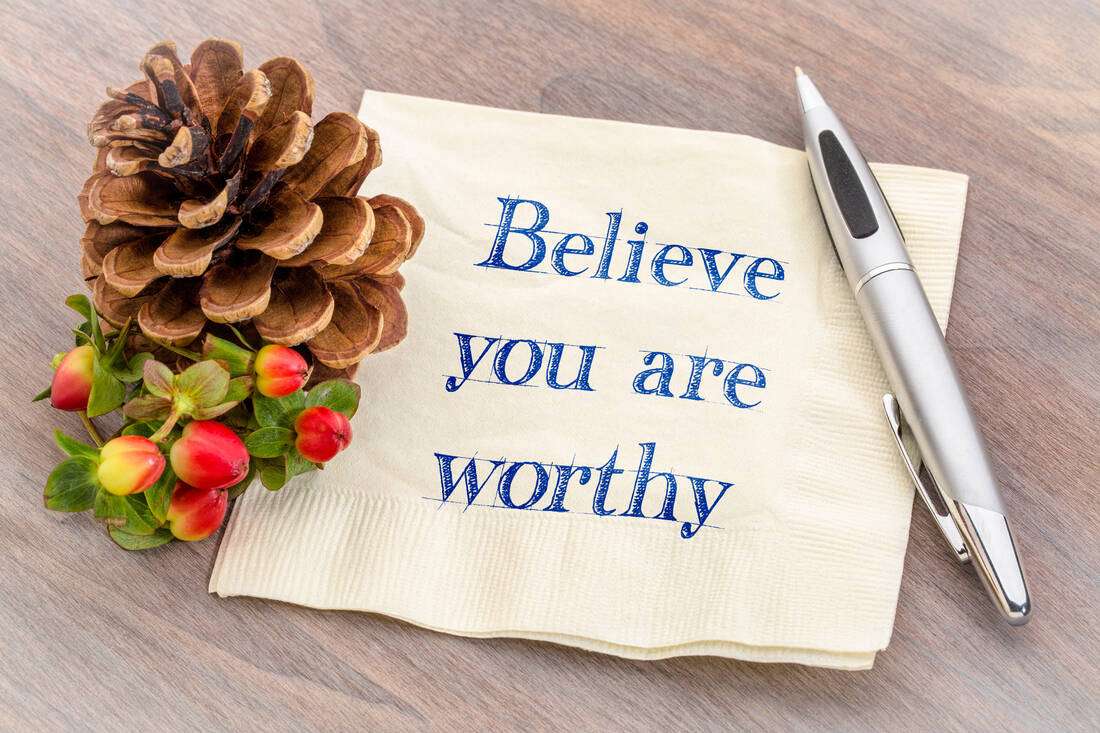
I've been thinking through worthiness after listening to Oprah and Jamie Kern Lima speak about what it means to be worthy. At first, I was unsettled because the conversation didn't begin with positioning race and how it bears down on Black women and women of color, especially in how we come to see ourselves with confidence.
Race plays a major role in our experiences — how we navigate different settings, how we are perceived, and how we are seen. Even though the interview was powerful, I felt it needed that grounding. Still, I connected deeply with Lima's reflections on not feeling adequate enough, not feeling worthy enough, and how that led to self-doubt. I also connected deeply with her centering of God — the Most High — because that is major for me. I never enter a space alone; I feel confident because I know who walks into that space with me.
“When I stand, I stand not just as one but as ten thousand.”
Maya AngelouWho stands with you?
Add the names of the ancestors, elders, family and faith that walk into every room with you. Watch your ten thousand grow.
You never stand alone.

Knowing who I am, and standing in that.
What also stayed with me was the connection to Maya Angelou's words. That ancestral truth is powerful. Our ancestors overcame the greatest of odds, and their strength allows us to be where we are today. When I stand as ten thousand, it doesn't matter what I'm approaching — starting a business, owning a home, being present for my children, or showing up for my community. It's knowing who I am and standing in that.
But I also think about how we connect with each other across categories created in society — race, sexuality, class, gender — categories that historically denigrate people's humanity. While I appreciate Lima's experience and her wisdom, I also think about how we take the conversation further by bringing in the nuances of identity and how race sits at the intersection of these categories, becoming an underlying factor in how experiences are understood.

Take beauty standards, for example — they're still largely measured against whiteness: straighter hair, lighter skin, European features. So even as Lima speaks honestly about her own insecurities, she does so from a footing of privilege that many women of color, and Black women in particular, don't have access to.
There's also colorism, and proximity to whiteness — what one person called a “pigmented passport to privilege” — that can open or close doors across social, political, and educational settings, often before a word is even spoken. That question of identity, though, doesn't stop at naming the categories — it extends into whether we're willing to face the histories that created them in the first place.
Where have you been measured against someone else’s standard?
Hold this question for a moment. You can write about it in the reflection journal at the end.
Healing requires naming the source.
That refusal to face history plays out everywhere — in how society avoids acknowledging the horrors of the past and how they shape our current world. When we don't acknowledge this openly, we become complicit in the continuation of marginalization. Benevolence is never neutral, because the Western world as we know it is built on centuries of horrors — people losing their lives, being displaced, dispossessed.
We all have a duty to call truth to what it is and keep reckoning with it. Healing requires naming the underlying sources of trauma. Without that, it becomes hollow. Even when we talk about bravery, we must contextualize history — apartheid in South Africa, anti-Blackness globally, and the scientific premises once used to claim Black/African people were not fully human. These realities have shaped internalized trauma for centuries, and we see how it permeates education, healthcare, and every superstructure of society.

My existence is intentional.
With that reckoning as the backdrop, when I think about starting any journey — going back to school, brushing up on skills, learning a new language, supporting my children, or starting a business — I think about worthiness through ancestral truth. Our ancestors' courage, bravery, wisdom, and spirit of excellence are part of our worthiness.
Before questioning whether I am worthy, I position that within ancestral truth. I remember how our ancestors were dispossessed, stolen, forced into situations they did not choose, denied every resource — and still overcame. Their strength, resilience, and connection to the Most High are part of my identity. My worthiness is linked to their process of resistance and knowing their source. That truth guides me, strengthens me, and reminds me that my existence is intentional, purposeful, and rooted in something far greater than myself.
What journey are you starting?
Choose one, and carry this reminder with you.
What does worthiness mean to you?
Your words stay private, saved only in this browser on this device.
Make your worthiness card.
Type your first name to see your affirmation.
You stand as ten thousand.
Birds Learning Network · The Flight LogYou are worthy. You always were.
At Birds Learning Network, every course begins from that truth. Whatever journey you’re starting, you don’t start it alone.